 Build A Center
 Modernization & Upgrade
 Gobal Distributor
 About Us
 Technology
 Project
 Blog
Blog Product Brochure
Why Do Bowling Lanes Need Oil? Everything You Need to Know About Bowling Lane Oil Patterns
It's Not Just to Make the Lane Shine
Many first-time bowlers assume bowling lanes are polished simply to look smooth and glossy.
In reality, every professional bowling lane is coated with a specially formulated lane oil, and it plays a far more important role than most people realize.
Without lane oil, bowling lanes would wear out much faster, bowling balls would behave unpredictably, and professional competitions would become almost impossible to standardize.
So why do bowling lanes need oil? How does it affect your bowling performance? And do bowling centers use different oil patterns for casual play and professional tournaments?
Let's explore the science behind one of bowling's most important—but often overlooked—elements.
Why Do Bowling Lanes Need Oil?
Lane oil serves two primary purposes:
l Protect the bowling lane
l Control ball motion
Every bowling ball weighs between 6 and 16 pounds (2.7–7.3 kg). During a busy day, hundreds or even thousands of balls roll down the lane, creating continuous friction.
Without oil, the lane surface would quickly develop scratches, lose its smooth finish, and require much more frequent maintenance.
Modern synthetic lanes are highly durable, but regular oiling is still essential to maximize their service life.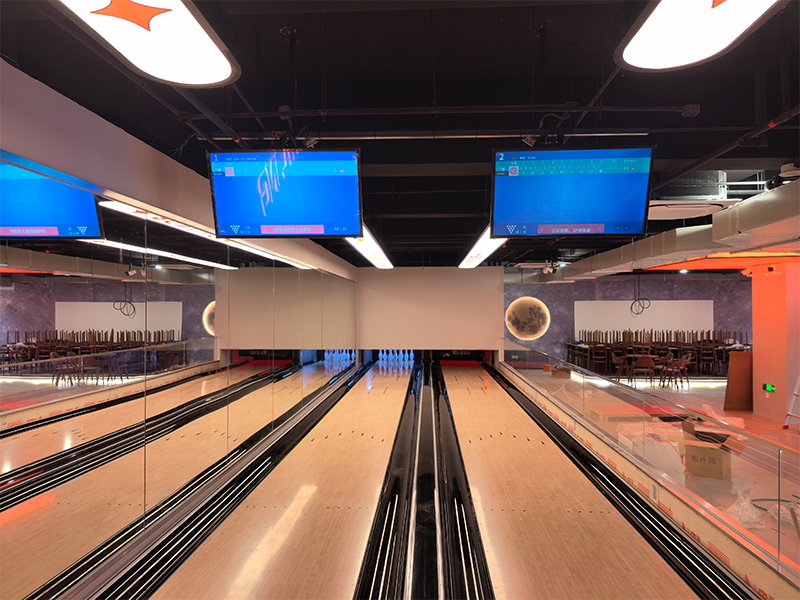
Protecting the Lane Surface
Lane oil acts as a protective layer between the bowling ball and the lane.
It helps reduce:
l Surface wear
l Friction
l Heat buildup
l Scratches caused by repeated ball impacts
For commercial bowling centers, proper oiling significantly extends the lifespan of synthetic lane panels while reducing maintenance costs.
Creating Consistent Ball Motion
Lane oil also controls how the bowling ball moves.
As the ball travels through the oiled portion of the lane, it slides more easily. Once it reaches the drier back end, friction increases, allowing the ball to hook toward the pocket.
This balance between oil and dry boards is what creates the familiar curved trajectory seen in modern bowling.
Without oil, every shot would react differently, making accurate play almost impossible.
How Does Lane Oil Affect Bowlers?
Lane oil influences nearly every aspect of a bowling shot.
Whether you're a beginner enjoying a casual game or a professional competing in a tournament, the oil pattern determines how your ball behaves.
For Recreational Bowlers
A typical house oil pattern is designed to be forgiving.
It helps keep the ball on line, making it easier for beginners and families to enjoy the game.
This creates a more relaxed and entertaining bowling experience.
For Competitive Bowlers
Professional bowlers don't just compete against each other—they also compete against the lane condition.
Different oil patterns require different:
l Ball selections
l Release techniques
l Target lines
l Hook angles
l Shot strategies
Reading the oil pattern is one of the most important skills in competitive bowling.
Typical House Shot (THS) vs. Sport Pattern: What's the Difference?
One of the biggest differences between recreational bowling and competitive bowling isn't the bowling ball or the lane—it's the oil pattern.
Modern bowling centers typically apply one of two lane conditions:
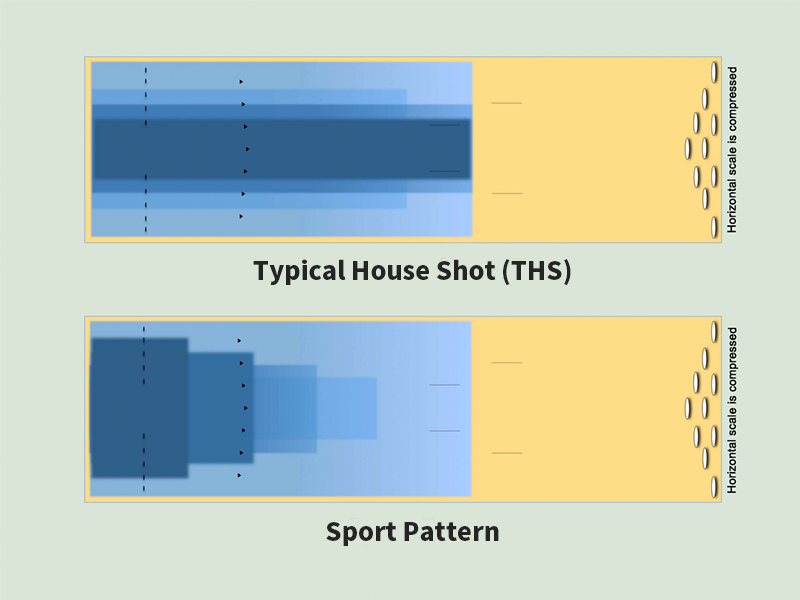
l Typical House Shot (THS) – designed to provide a more enjoyable and forgiving experience for most bowlers.
l Sport Pattern – designed to test a player's accuracy, consistency, and lane-reading skills rather than provide assistance.
Although both use the same lane conditioner, the way the oil is distributed across the lane creates completely different ball reactions.
|
Feature |
Typical House Shot (THS) |
Sport Pattern |
|
Purpose |
Recreational and league bowling |
Tournament and competitive bowling |
|
Oil Distribution |
Higher concentration in the center, lighter toward the outside boards |
More balanced distribution across the lane |
|
Oil Ratio |
Usually 8:1 or higher |
Maximum 3:1 (USBC specification) |
|
Ball Recovery |
Easier for the ball to recover toward the pocket |
Little or no built-in recovery |
|
Margin for Error |
High |
Very Low |
|
Skill Requirement |
Beginner to intermediate |
Advanced to professional |
Typical House Shot (THS)
The Typical House Shot (THS) is the lane condition used by most commercial bowling centers around the world.
As shown in the illustration, more lane oil is applied to the center portion of the lane, while the outside boards receive significantly less oil. This difference in oil volume creates additional friction near the edges of the lane, helping a slightly misplaced shot recover toward the pocket.
Because of this built-in forgiveness, THS allows bowlers to enjoy higher scores and more strikes, making it the preferred choice for:
l Family entertainment centers
l Casual bowlers
l Birthday parties
l Corporate events
l Recreational leagues
The primary goal of a Typical House Shot is to create a fun, consistent, and enjoyable bowling experience rather than maximize difficulty.
Sport Pattern
A Sport Pattern is designed to remove much of the lane's built-in assistance and place greater emphasis on the bowler's skill.
Unlike a Typical House Shot, the oil is distributed much more evenly across the width of the lane. According to USBC specifications, a certified Sport Pattern must have an oil ratio no greater than 3:1, meaning the difference between the highest and lowest oil volumes across the lane is kept to a minimum.
With fewer "free" recovery areas, every aspect of the shot becomes more important, including:
l Release angle
l Ball speed
l Axis rotation
l Target accuracy
l Ball selection
Even a small mistake can result in the ball missing the pocket, which is why Sport Patterns are widely used in professional tournaments and elite-level competitions.
Rather than helping the bowler achieve strikes, the Sport Pattern rewards consistency, precision, and the ability to read changing lane conditions.
Why Is the Oil Ratio So Important?
The oil ratio describes the difference between the highest and lowest amount of oil applied across the lane.
l A higher ratio (such as 8:1 or 10:1) creates a more forgiving lane because the center holds much more oil than the outside boards.
l A lower ratio (3:1 or below) creates a more demanding lane where ball reaction depends almost entirely on the bowler's execution.
This is why professional bowlers often spend time studying the lane condition before competition—they are learning how the oil pattern will influence ball motion throughout the game.
Typical House Shot vs. Sport Pattern: Which Is Better?
Neither pattern is "better"—they simply serve different purposes.
l Typical House Shot (THS) is ideal for entertainment venues and recreational bowling because it helps bowlers achieve a more satisfying and enjoyable experience.
l Sport Pattern is designed for competition, where success should be determined by skill rather than assistance from the lane.
For most family entertainment centers and commercial bowling venues, a well-maintained Typical House Shot offers the best balance between lane protection, player satisfaction, and repeat business. In contrast, competitive bowling centers often switch to Sport Patterns for tournaments and professional events to provide a fair and challenging playing environment.
How Is Lane Oil Applied?
Modern bowling centers use automatic lane oiling machines rather than applying oil manually.
These machines clean the lane and apply a precise amount of oil according to programmed patterns.
Advanced oiling machines can adjust:
l Oil volume
l Oil length
l Oil placement
l Forward and reverse application
l Pattern consistency
This ensures every lane receives nearly identical conditions.
How Often Should Bowling Lanes Be Oiled?
The ideal oiling schedule depends on the type of bowling center and the amount of daily traffic.
Typical recommendations include:
l Commercial bowling centers: Oil lanes daily before opening or before league play.
l League and tournament venues: Apply fresh oil before each competition session.
l Low-traffic venues: Oil lanes several times per week, depending on usage.
Cleaning the lane before applying new oil is just as important as the oil itself, as dirt and old oil can affect ball reaction and lane protection.
How to Choose the Right Bowling Lane Oil
Not all lane oils are the same.
Choosing the right product depends on several factors:
Lane Material
Modern synthetic lanes and traditional wooden lanes may require different oil characteristics.
Bowling Center Type
A family entertainment center typically benefits from forgiving house patterns, while competitive bowling centers often need certified sport patterns.
Traffic Volume
Busy commercial centers usually require oils with greater durability to maintain consistent lane conditions throughout the day.
Maintenance Equipment
The lane oil should be compatible with the automatic lane machine used in the facility to ensure accurate and reliable application.
Selecting the right combination of lane oil and oil pattern helps improve lane protection, player satisfaction, and long-term operating efficiency.
Fun Fact: Why Do Professionals Ask About the Oil Pattern First?
Professional bowlers rarely ask, "Which lane am I playing on?" Instead, they ask, "What's today's oil pattern?"
That's because the same lane can play completely differently depending on how the oil is applied. A forgiving Typical House Shot (THS) can help recover small mistakes, while a challenging Sport Pattern demands precision on every shot.
In competitive bowling, reading the oil pattern is often just as important as selecting the right bowling ball. It becomes a game of strategy as much as skill.
That's why experienced bowlers often say:
"You're not just bowling against your opponent—you're bowling against the oil pattern."
Lane Oil: The Invisible Key to Every Great Bowling Experience
Although players rarely notice it, lane oil is one of the most important elements of modern bowling.
It protects the lane, controls ball motion, creates fair playing conditions, and ensures a consistent experience for everyone—from first-time bowlers to professional athletes.
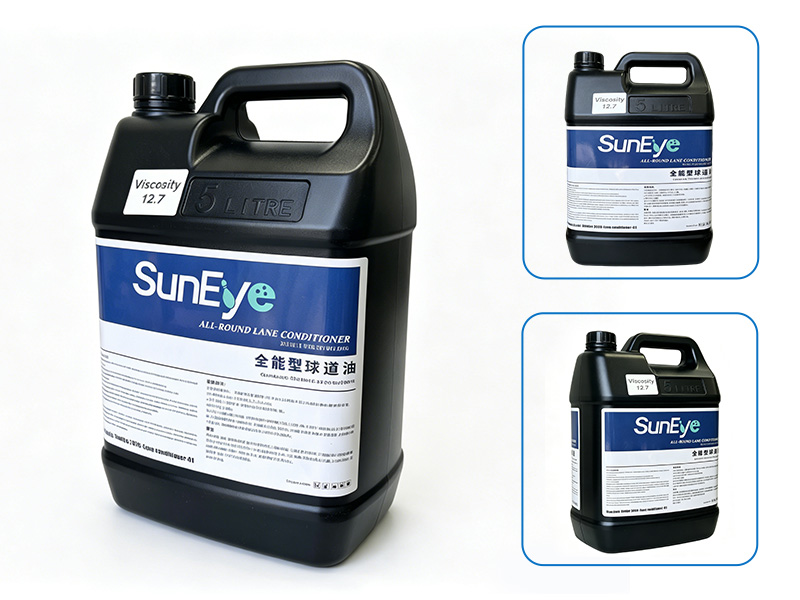
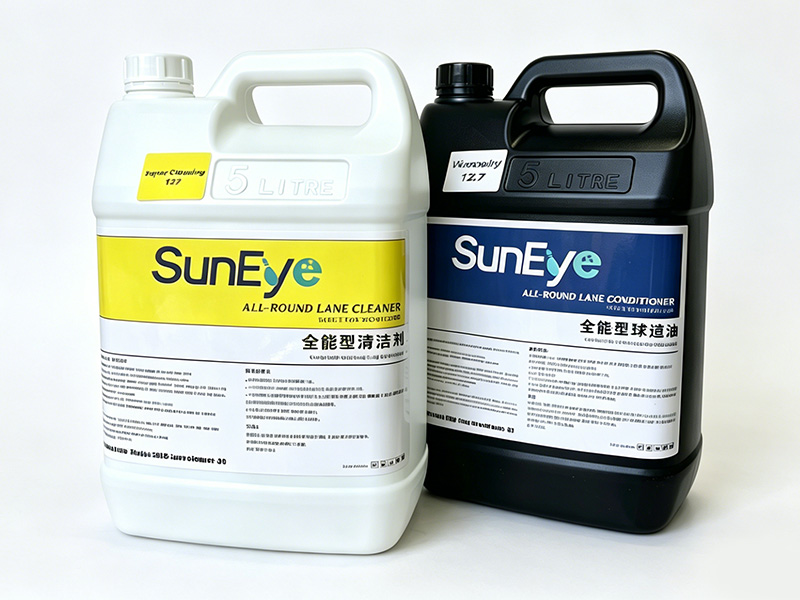
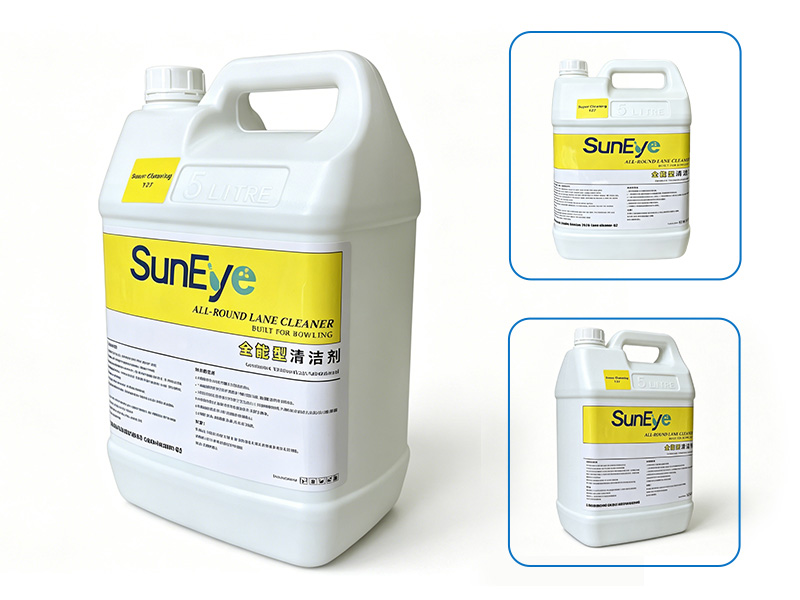
At SunEye, our bowling lane systems are designed to work seamlessly with modern automatic lane maintenance equipment and industry-standard oil patterns. Combined with durable synthetic lane panels, our solutions help bowling centers achieve reliable performance, easier maintenance, and an exceptional bowling experience.