 Build A Center
 Modernization & Upgrade
 Gobal Distributor
 About Us
 Technology
 Project
 Blog
Blog Product Brochure
What Is a String Pinsetter? Benefits, Costs & Comparisons
What Is a String Pinsetter? Benefits, Costs & Comparisons
For decades, automatic pinsetters have been the heart of every bowling center. Without them, bowlers would still be waiting for someone to manually reset pins after every frame.
But as bowling technology continues to evolve, a new generation of equipment is rapidly transforming the industry: the String Pinsetter.
Today, string pinsetter systems are becoming increasingly popular in family entertainment centers, boutique bowling venues, hotels, resorts, and even professional bowling facilities. Their lower maintenance requirements, reduced operating costs, and simplified mechanics have made them one of the most significant innovations in modern bowling equipment.
So what exactly is a string pinsetter, and why are so many bowling centers making the switch?
Let's take a closer look.
The Birth of the Bowling Pinsetter
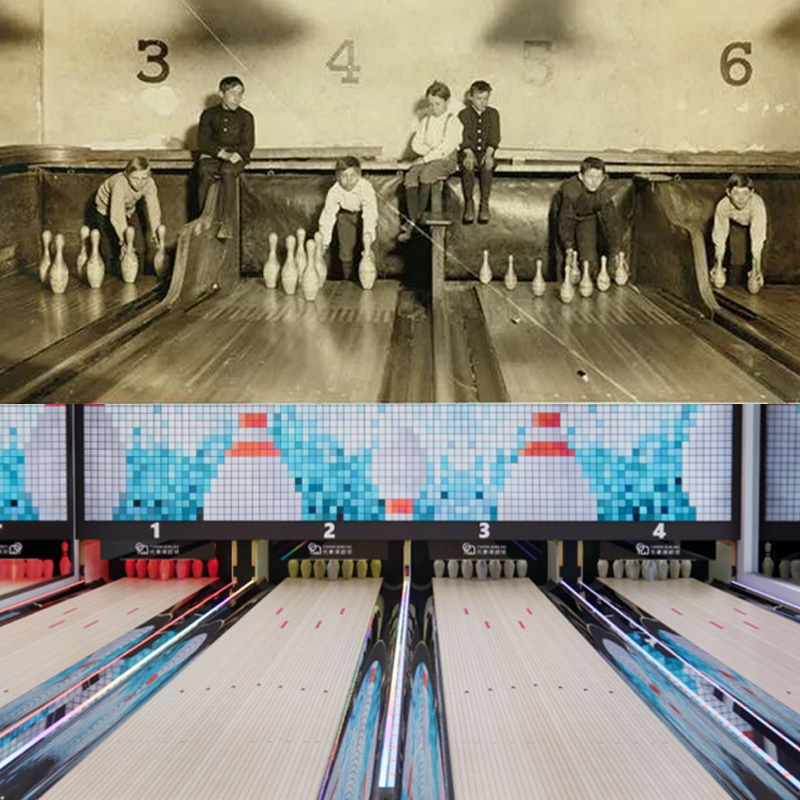
Before automatic machines existed, bowling centers relied on workers known as Pin Boys.
After every frame, they had to:
l Clear fallen pins
l Reset standing pins
l Arrange a full rack of ten pins
l Return bowling balls to players
While this worked for small bowling alleys, it became increasingly inefficient as the popularity of bowling grew.
During the 1950s, the first automatic bowling pinsetters revolutionized the industry.
For the first time, machines could:
✔ Detect fallen pins
✔ Remove dead wood
✔ Reset standing pins
✔ Place a complete set of pins automatically
This innovation dramatically increased lane efficiency and helped bowling become a mainstream entertainment activity worldwide.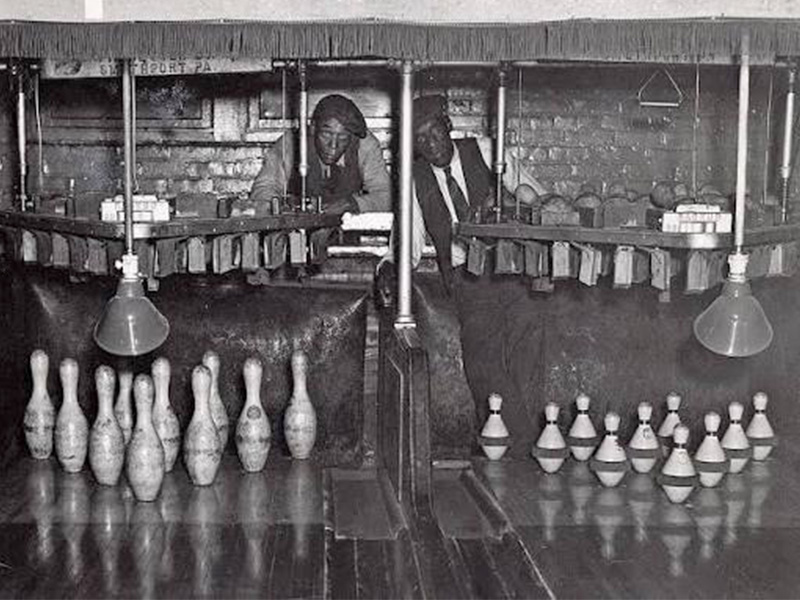
From Traditional Pinsetters to String Pinsetters
Traditional pinsetters remained the industry standard for decades.
These machines use complex mechanical systems, including:
l Conveyors
l Elevators
l Pin tables
l Grippers
l Belts
l Motors
l Mechanical linkages
Although highly effective, they require significant maintenance and occupy substantial space behind the lanes.
As operators began searching for more efficient solutions, manufacturers developed a simpler concept:
Attach a durable string to each bowling pin.
Instead of relying on dozens of mechanical components to locate, lift, and reposition pins, the machine simply lifts each pin using its individual string and places it back into position.
The result is the modern String Pinsetter.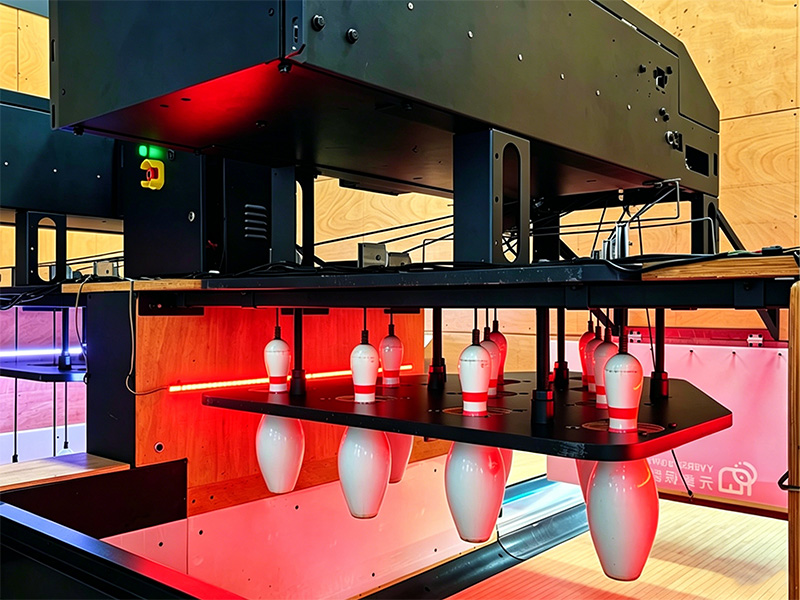
What Is a String Pinsetter?
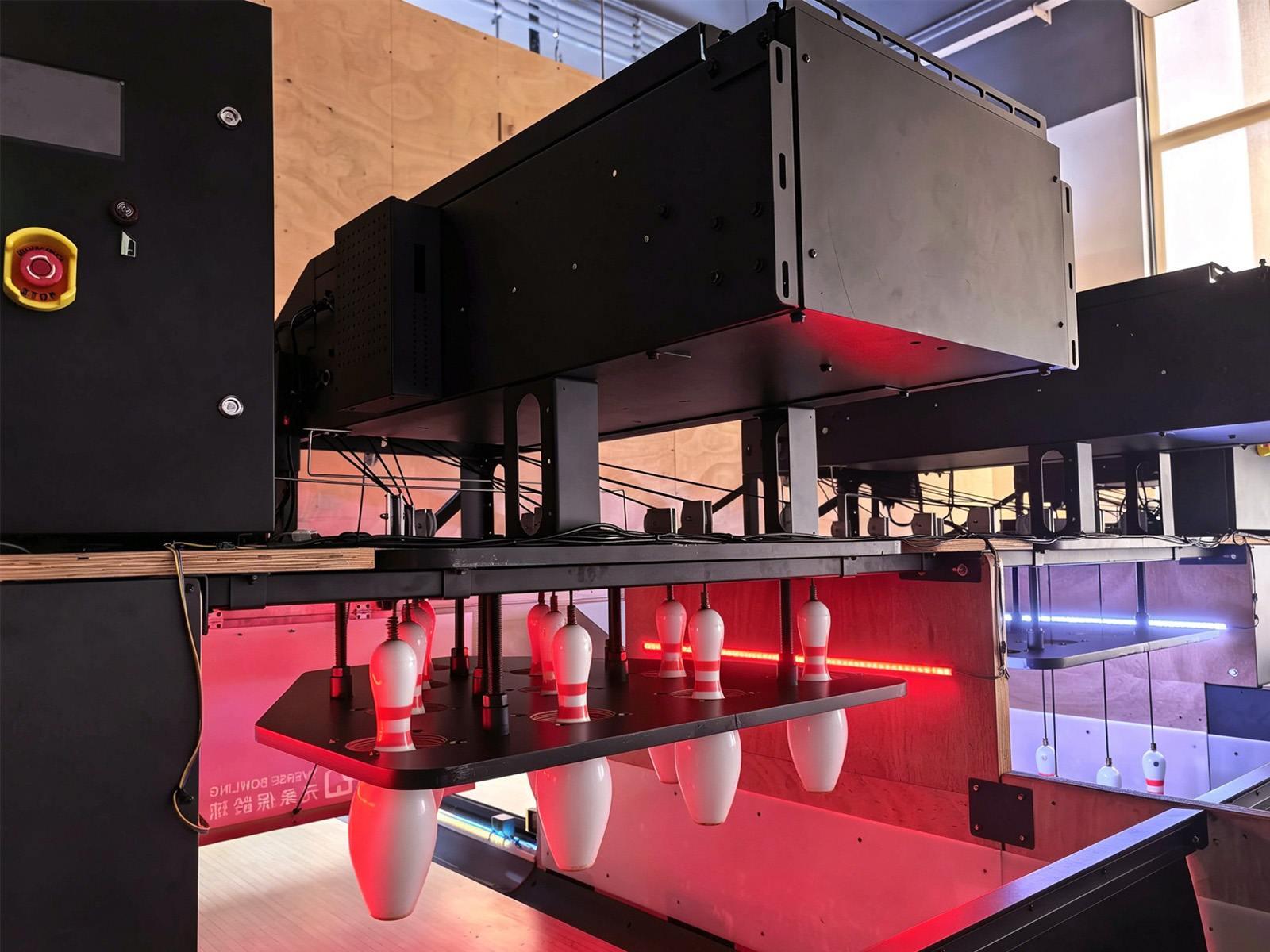
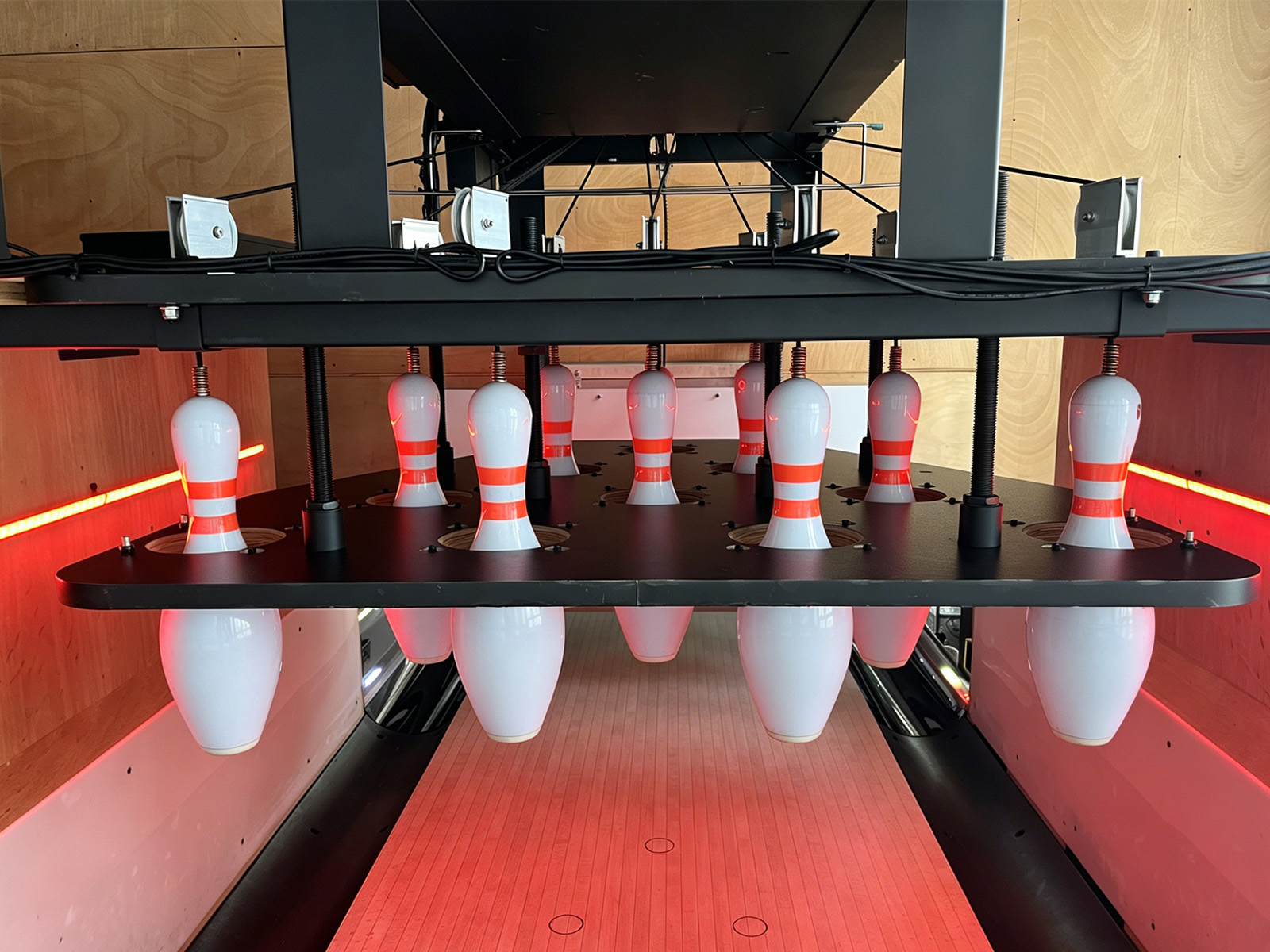
A String Pinsetter is an automatic bowling pinsetting system that uses high-strength strings connected to each pin.
After a shot:
1. Pins are knocked down.
2. The machine identifies standing and fallen pins.
3. Pins are lifted using individual strings.
4. The deck is cleared.
5. Pins are automatically repositioned for the next frame.
The entire process is faster, simpler, and more efficient than traditional mechanical systems.
Today, string pinsetters are widely used in:
l Standard Bowling
l Duckpin Bowling
l Mini Bowling
l Family Entertainment Centers
l Boutique Bowling Venues
l Hotels and Resorts
Traditional Pinsetter vs String Pinsetter
1. Mechanical Complexity
Traditional Pinsetter
Traditional pinsetters contain a large number of moving parts.
These include:
l Gear assemblies
l Pin elevators
l Conveyors
l Pin distributors
l Multiple motors
l Mechanical arms
As machines age, wear and tear increase maintenance requirements.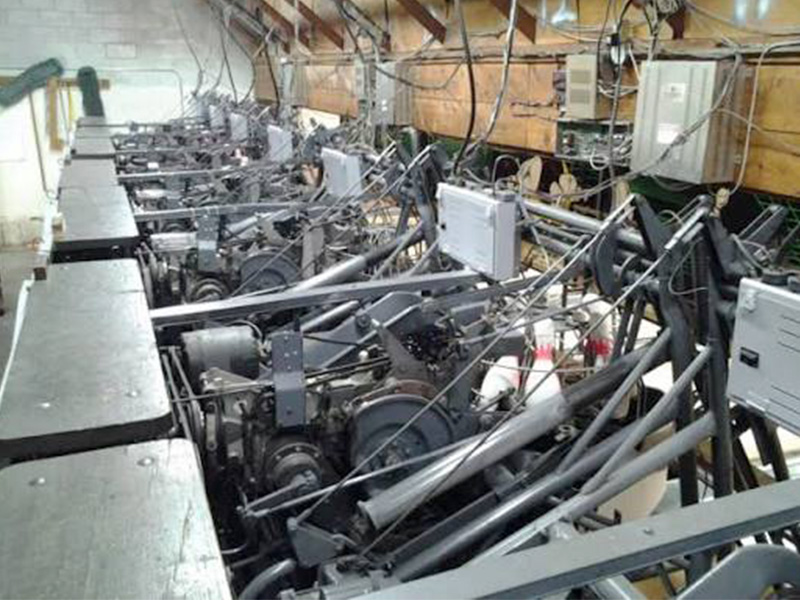
String Pinsetter Components
l High-strength strings
l Electric reel (winder) and pulley system
l Drawbar
l Drive motor
l Intelligent sensing and control module
String pinsetters use significantly fewer moving components.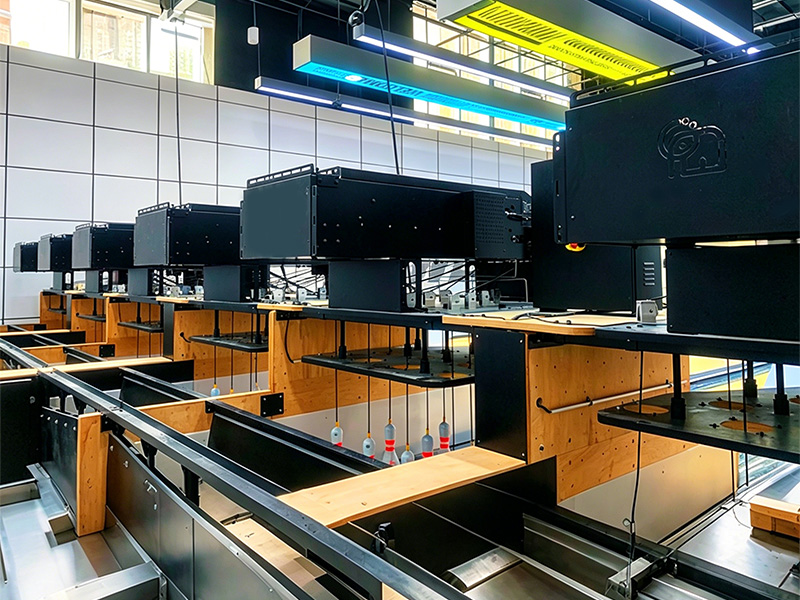
The simplified structure means:
✔ Fewer failure points
✔ Easier troubleshooting
✔ Reduced maintenance requirements
✔ Improved long-term reliability
Winner: String Pinsetter
2. Maintenance Costs
One of the biggest concerns for bowling center operators is ongoing maintenance.
Traditional Pinsetter
Common challenges include:
l Frequent mechanical adjustments
l Component replacement
l Lubrication requirements
l Higher technician labor costs
Maintenance expenses can accumulate significantly over time.
String Pinsetter
Because the system contains fewer mechanical parts:
l Less wear occurs
l Fewer replacement components are needed
l Downtime is reduced
l Maintenance schedules become simpler
Many operators report significantly lower operating costs after switching to string technology.
Winner: String Pinsetter
3. Pin Cycle Speed & Lane Efficiency
Fast pin cycling means more games per hour and greater customer throughput.
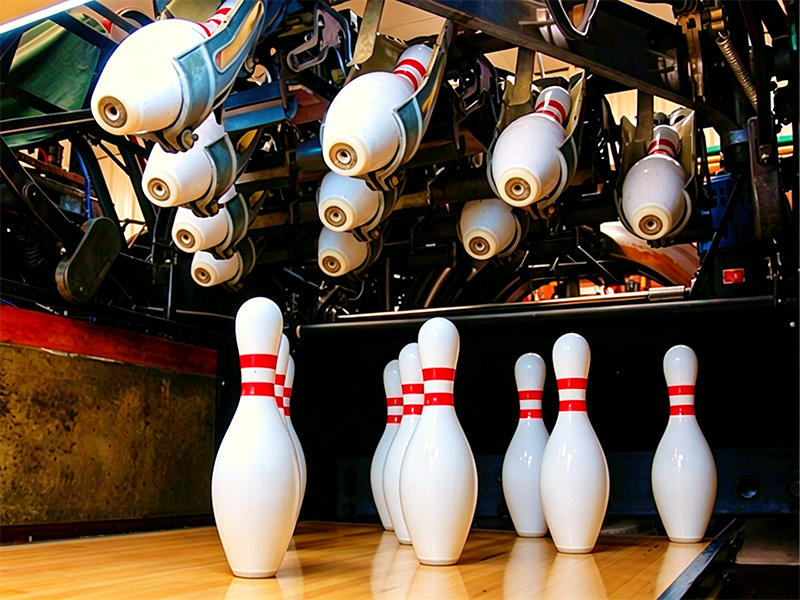
Traditional Pinsetter
The pinsetting process involves multiple mechanical steps:
l Pin detection
l Deck lowering
l Pin sorting
l Pin transportation
l Pin redistribution
l New rack placement
This process can take longer and involves multiple moving systems.
String Pinsetter
A string pinsetter collects pins in a much simpler way than a traditional pinsetter:
l After the ball hits the pins, the machine detects which pins are still standing.
l The strings then begin to rise and lift the pins.
l Once the pins are collected and reset, the unhit pins are lowered back into place.
l The next round of bowling can begin.
The simplified lifting and resetting mechanism allows pins to be repositioned quickly and efficiently.
Watch Now: The Inner Workings of String Pinsetters
Benefits include:
✔ Faster lane turnover
✔ Reduced waiting time
✔ Improved customer experience
✔ Higher operational efficiency
Winner: String Pinsetter
4. Space Requirements
Space directly affects project costs and venue design flexibility.
Traditional Pinsetter
Requires a larger machine room because of:
l Massive mechanical assemblies
l Conveyor systems
l Pin storage structures
This increases construction requirements.
String Pinsetter
String pinsetters feature a compact design.
Advantages include:
✔ Smaller machine room
✔ Reduced construction costs
✔ More flexible venue layouts
✔ Better use of commercial space
Winner: String Pinsetter
5. Energy Consumption
Modern entertainment venues increasingly prioritize energy efficiency.
Traditional Pinsetter
Large motors and numerous moving components consume more power.
String Pinsetter
Simplified operation requires less energy.
Benefits include:
l Lower electricity costs
l Reduced environmental impact
l Improved operational efficiency
Winner: String Pinsetter
Why More Bowling Centers Are Choosing String Pinsetters
Several industry trends are accelerating adoption:
Rising Labor Costs
Operators seek systems requiring less maintenance and fewer service visits.
Space Optimization
Modern entertainment venues often have limited floor space.
Faster Return on Investment
Lower operating expenses help improve profitability.
Family Entertainment Growth
Many new venues prioritize easy-to-maintain attractions that maximize customer enjoyment while minimizing operational complexity.
For these reasons, string pinsetters have become one of the fastest-growing technologies in the bowling industry.
Are String Pinsetters Approved for Competition?
This has been one of the most discussed topics in the bowling industry.
In recent years, governing organizations have increasingly recognized string pinsetter technology as it continues to improve in performance and consistency.
Modern string pinsetter systems are now being installed in a growing number of competitive and recreational bowling facilities worldwide.
As technology advances, the gap between traditional and string systems continues to narrow.
The Future of Bowling Automation
The bowling industry has evolved dramatically:
Then
l Manual pin resetting
l Pin boys
l Mechanical scoring
l Labor-intensive operations
Now
l Intelligent scoring systems
l Automated ball return systems
l String pinsetter technology
l Online competitions
l Smart venue management
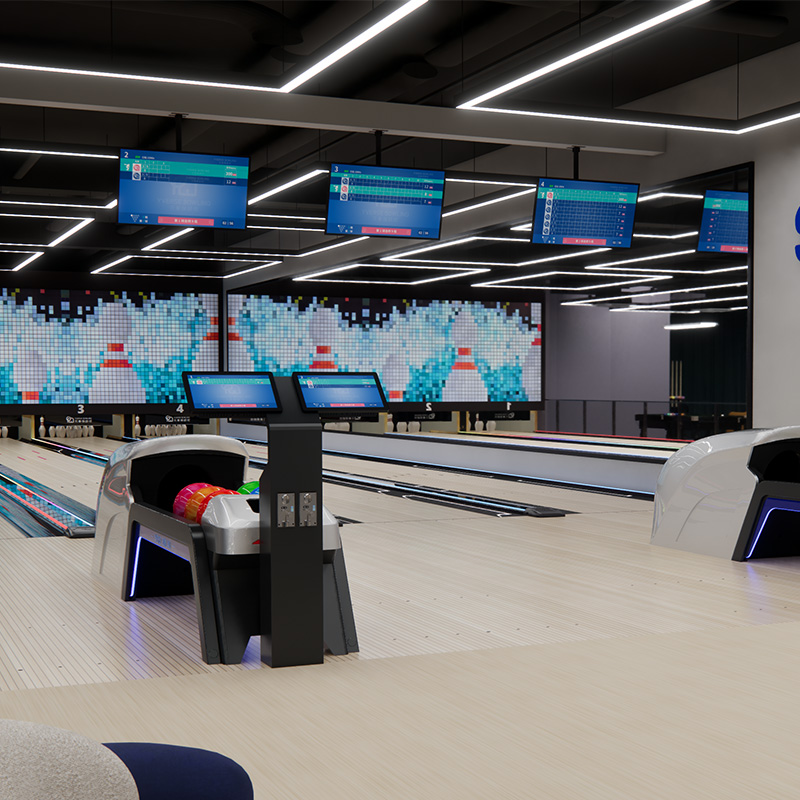
String pinsetters represent the next step in this evolution—combining reliability, efficiency, and lower operating costs in a modern solution designed for today's entertainment industry.
Conclusion
The invention of the automatic pinsetter transformed bowling in the twentieth century.
Today, string pinsetters are driving the next major evolution.
Compared with traditional pinsetters, string systems offer:
✔ Lower maintenance costs
✔ Fewer mechanical components
✔ Faster pin cycling
✔ Smaller installtion footprint
✔ Improved energy efficiency
✔ Greater operational reliability
Whether you're building a new bowling center, upgrading an existing facility, or exploring modern entertainment concepts, string pinsetter technology provides a practical and future-ready solution.
At SunEye, we continue to develop innovative bowling equipment and intelligent bowling solutions that help operators create efficient, profitable, and engaging bowling experiences for players around the world.