 Build A Center
 Modernization & Upgrade
 Gobal Distributor
 About Us
 Technology
 Project
 Blog
Blog Product Brochure
What's a Bowling Lane Made Of? Inside the Construction of Modern Bowling Lanes
From Hardwood to High-Tech Synthetic Panels—Discover What Makes Every Bowling Lane Perform
When most people walk into a bowling center, they notice the colorful lights, polished lanes, and the satisfying sound of bowling pins crashing.
But have you ever wondered what's actually underneath a bowling lane?
Is it still made of wood?
Why do modern bowling lanes look so smooth and glossy?
And what makes today's lanes durable enough to withstand millions of bowling balls every year?
The answer lies in decades of engineering and material innovation.
Whether you're a bowling enthusiast, planning to build a bowling center, or simply curious about how bowling lanes are constructed, this guide explains everything you need to know.
The Two Main Parts of a Bowling Lane
Although a bowling lane appears to be one continuous surface, it is actually built from two major structural components.
1. Bowling Lane Panels
The lane panels form the visible playing surface where the bowling ball rolls.
Every shot, every hook, and every strike happens on this carefully engineered surface.
The quality of the lane panel directly affects:
l Ball speed
l Ball reaction
l Player experience
l Lane durability
l Maintenance requirements
2. Bowling Lane Foundation
Beneath the lane panels is the lane foundation (lane subfloor).
This structural framework supports the entire bowling lane system and keeps every panel perfectly level and securely aligned.
A stable foundation helps prevent deformation over time while ensuring consistent ball movement and long-term performance.
Together, the lane panels and lane foundation create the complete bowling lane system.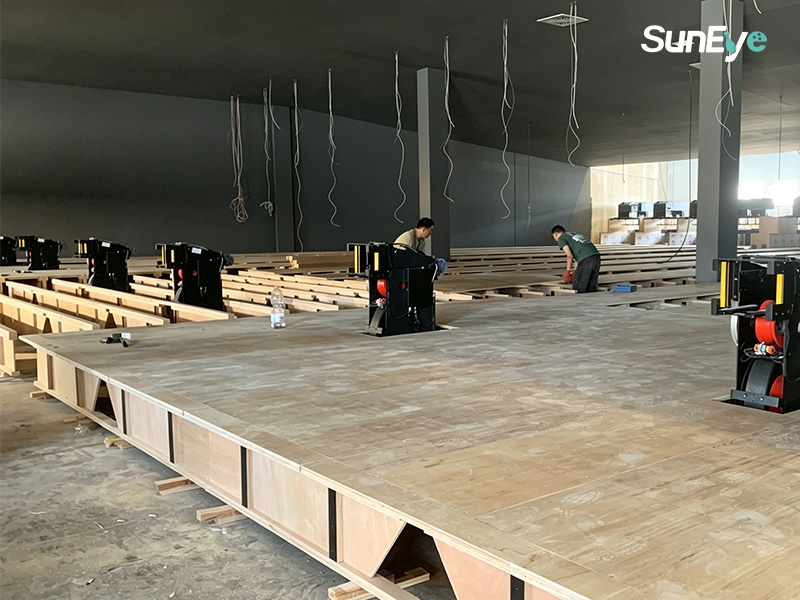
From Wood to High-Performance Synthetic Lanes
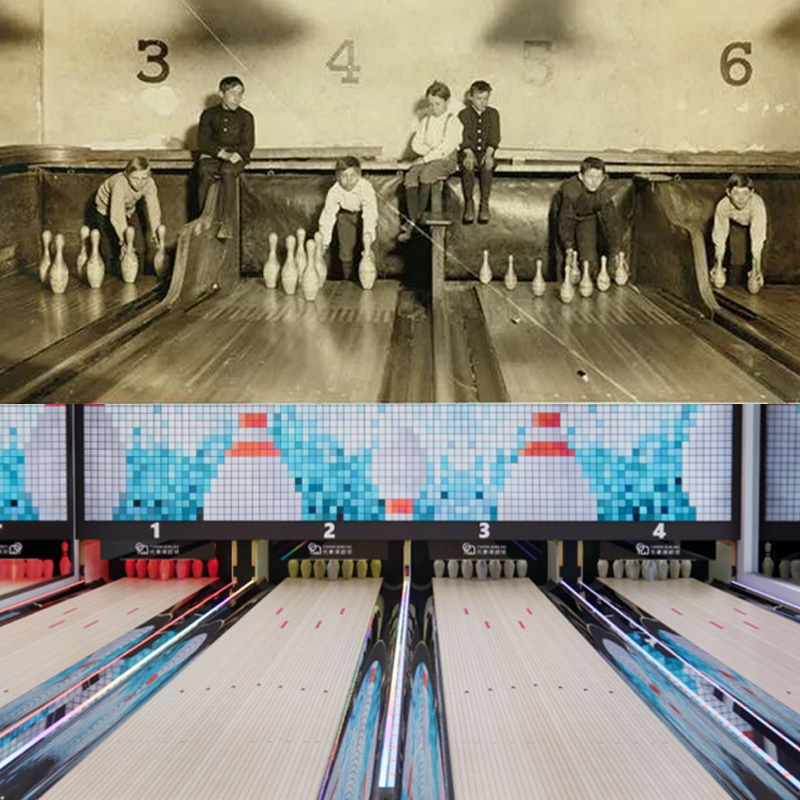
For many decades, bowling lanes were built entirely from hardwood.
While these traditional wooden lanes created a classic bowling experience, they also required frequent maintenance, refinishing, and careful environmental control.
Today, the majority of commercial bowling centers use synthetic bowling lanes, which offer significantly better durability and lower operating costs.
How Traditional Wooden Bowling Lanes Were Built
Classic bowling lanes weren't made from a single type of wood.
Instead, manufacturers combined different hardwoods according to how each section of the lane was used.
Hard Maple
Hard maple was installed in areas receiving the greatest impact:
l The approach
l The first 12 feet of the lane (where the ball lands)
l The pin deck
Its exceptional hardness allowed it to resist repeated impacts from heavy bowling balls.
Pine
The middle section of the lane was traditionally constructed from pine.
Because pine is slightly softer than maple, it provided consistent ball roll while reducing construction costs.
This combination of hardwoods became the industry standard for many decades.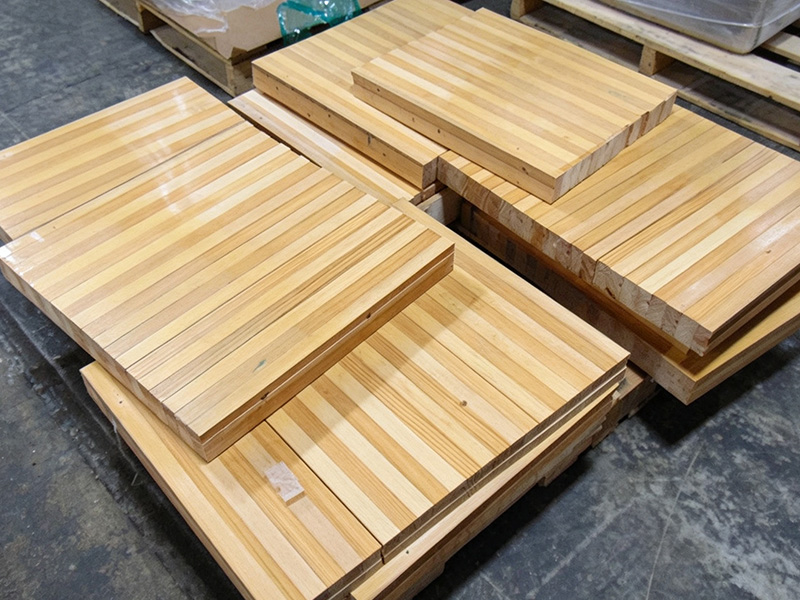
Modern Synthetic Bowling Lane Panels
Today's bowling centers have largely transitioned to synthetic lane technology, which delivers greater consistency, longer service life, and lower maintenance requirements.
Rather than natural wood, modern lane panels are manufactured as high-pressure laminated composite boards.
These panels are built using multiple engineered layers:
l Decorative paper for the lane appearance and markings
l Wear-resistant overlay impregnated with melamine resin
l Multiple layers of kraft paper impregnated with phenolic resin
These materials are stacked according to the required thickness and then compressed under approximately 150°C (302°F) and 90 kgf/cm² of pressure.
During this high-temperature manufacturing process, the resins fully cure, creating a stable, durable material that is safe for long-term commercial use.
The result is a precision-engineered lane surface designed to perform consistently under continuous daily operation.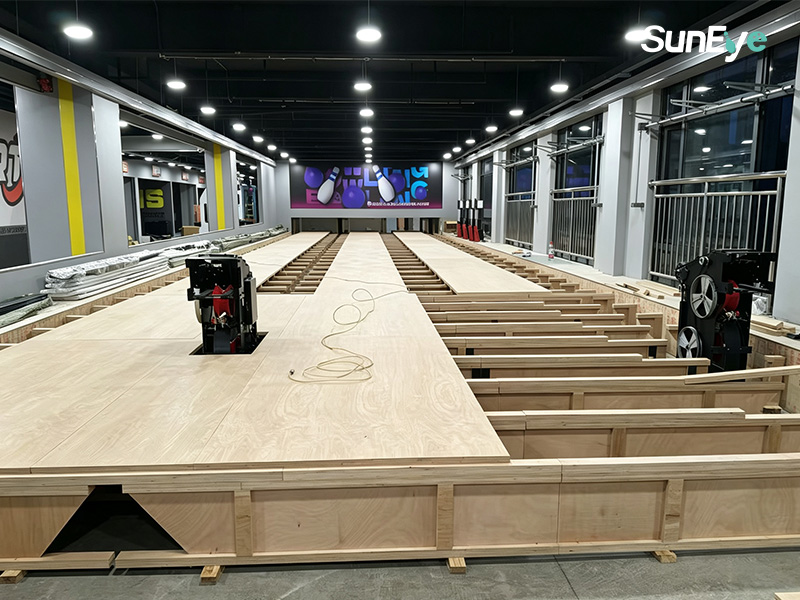
More Than Just Wood Color: Modern Bowling Lane Design Options
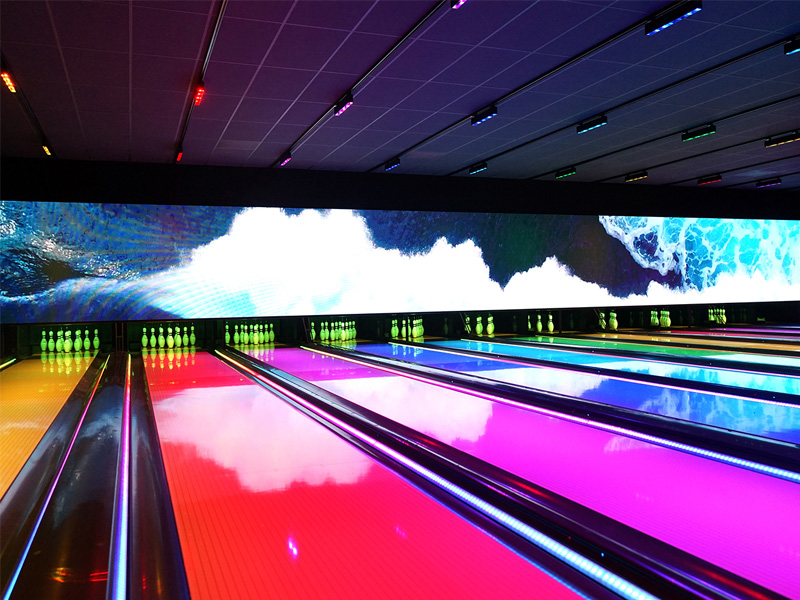
Modern bowling lanes are no longer limited to the traditional wood appearance.
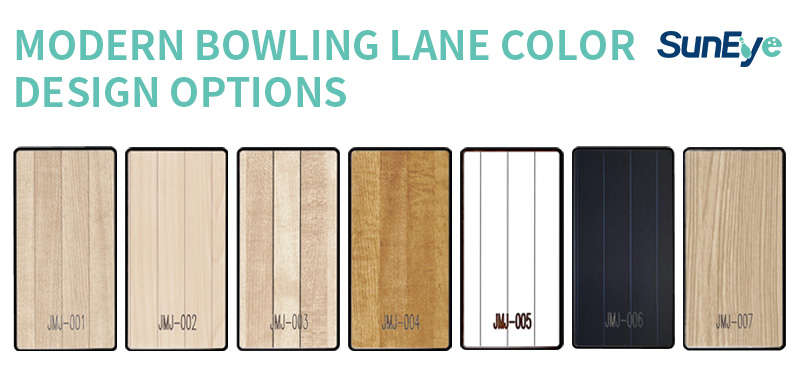
As bowling centers continue to evolve into lifestyle and entertainment destinations, lane color has become an important part of venue design. Different finishes can help create unique atmospheres, reinforce brand identity, and match the overall interior style.
SunEye offers a variety of synthetic bowling lane panel finishes, allowing customers to customize the look of their bowling center while maintaining the same high-performance playing surface.
Available color options include:
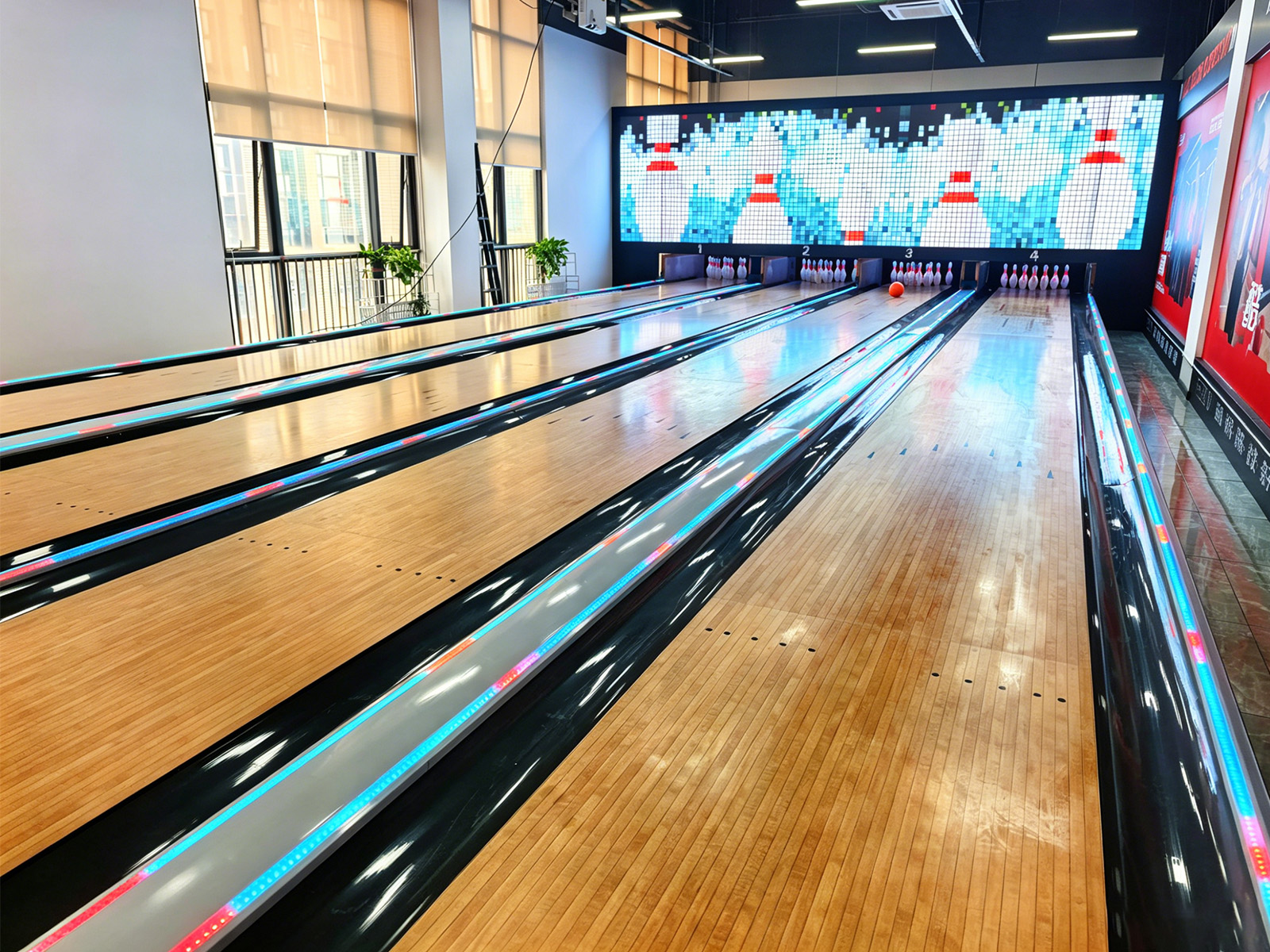
l 🌳 Natural Wood Finish – A timeless appearance that recreates the classic look of traditional bowling lanes.
l ⚪ White Finish – Clean, modern, and ideal for luxury entertainment venues, hotels, and family entertainment centers.
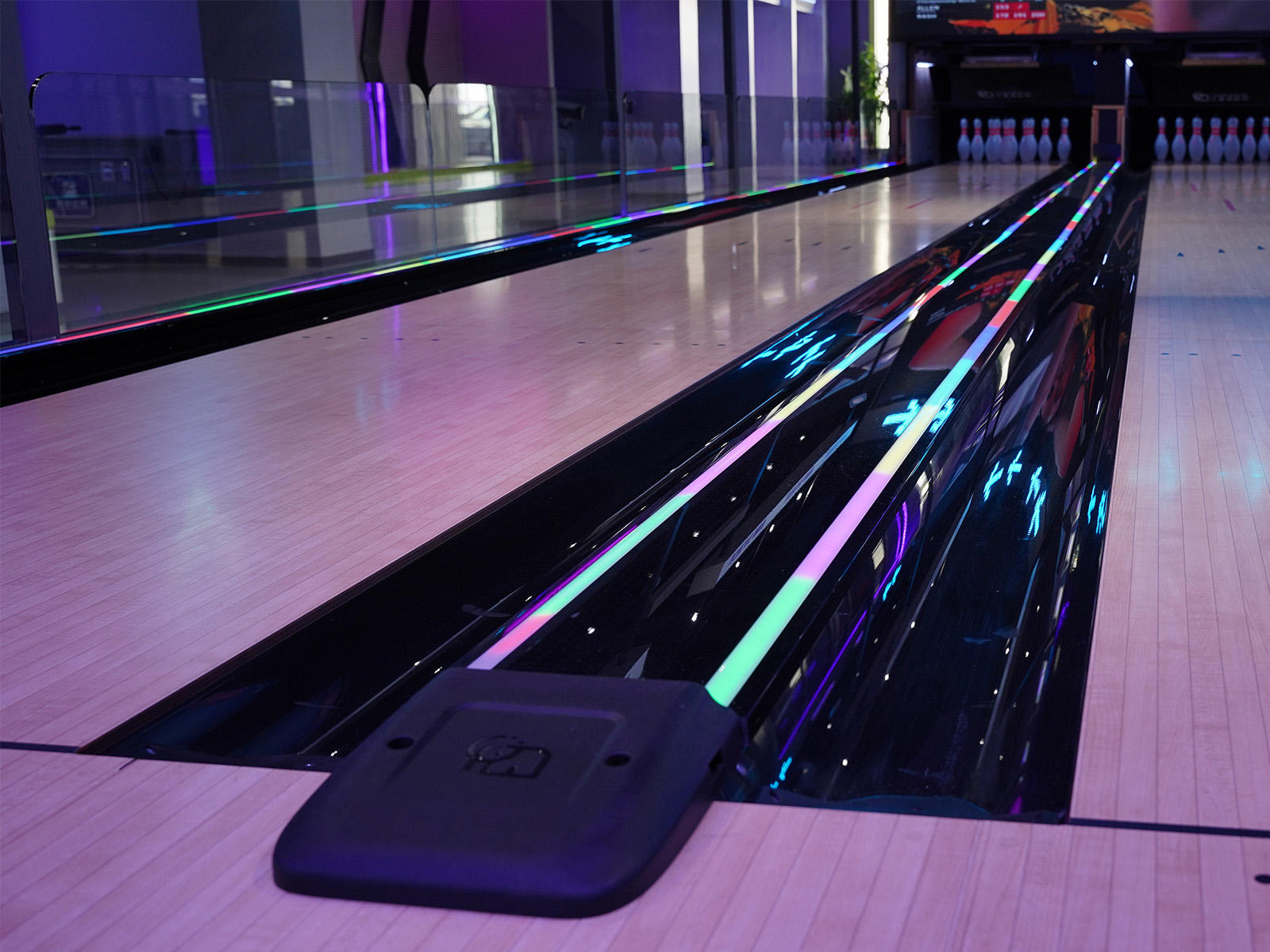
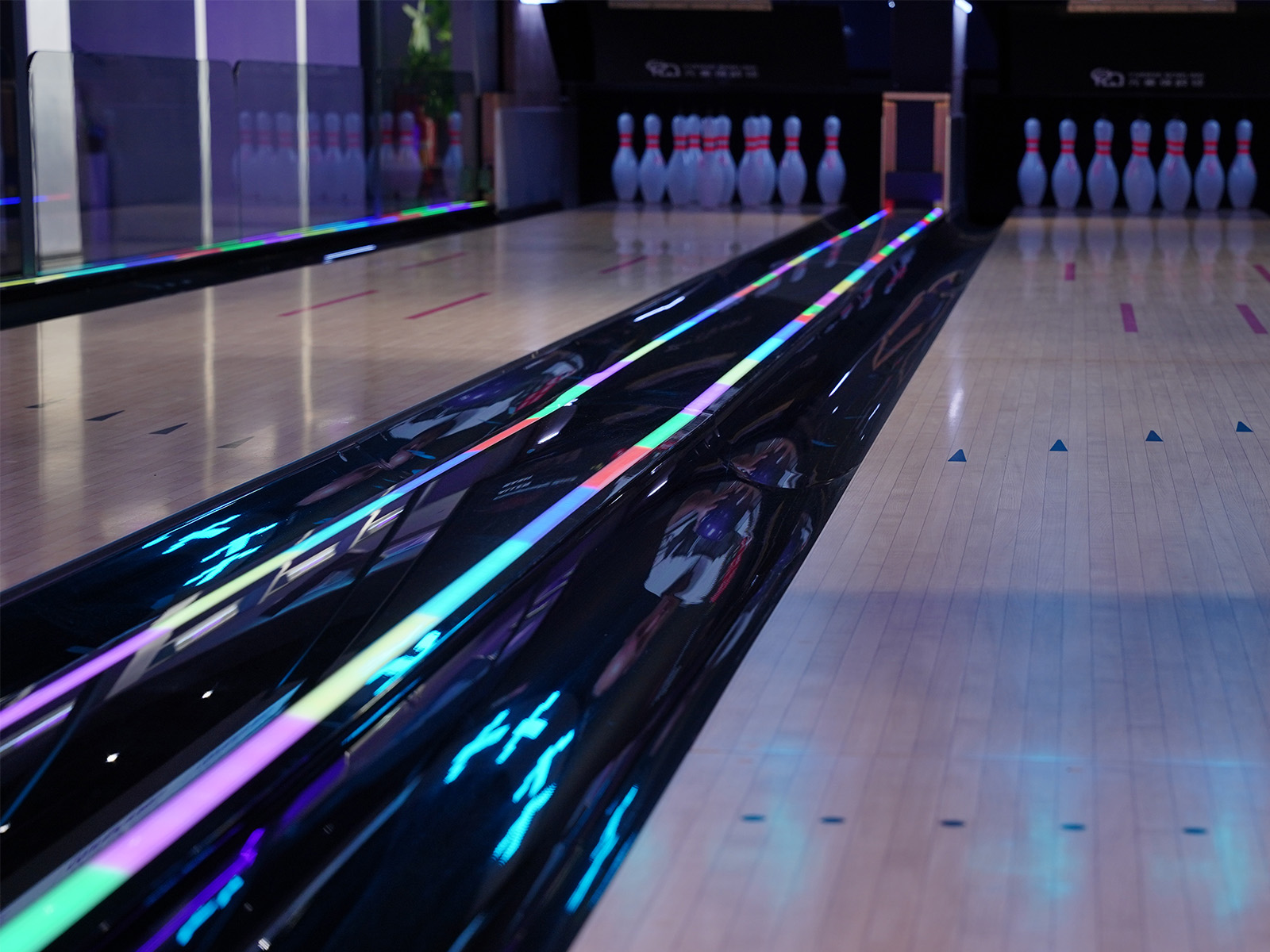
l ⚫ Black Finish – A premium choice for cosmic bowling, LED lighting effects, bars, and nightlife venues.
Custom colors and decorative finishes are also available for projects that require a unique visual identity.
Regardless of the color selected, every SunEye lane panel is manufactured using the same durable synthetic composite material, ensuring excellent wear resistance, dimensional accuracy, and long-term performance.
|
Lane Finish |
Best For |
|
🌳 Natural Wood |
Traditional bowling centers, sports clubs |
|
⚪ White |
Modern entertainment centers, hotels, shopping malls |
|
⚫ Black |
Cosmic bowling, bars, nightclubs, themed venues |
|
🎨 Custom Colors |
Branded projects and customized entertainment venues |
Synthetic Bowling Lanes vs. Wooden Bowling Lanes
The biggest difference between traditional and modern bowling lanes is durability.
|
Feature |
Synthetic Lane |
Traditional Wood Lane |
|
Material |
High-pressure laminated composite |
Hard maple & pine |
|
Wear Resistance |
Excellent |
Moderate |
|
Scratch Resistance |
High |
Lower |
|
Moisture Resistance |
Excellent |
Sensitive to humidity |
|
Fire Resistance |
Yes |
Limited |
|
Maintenance |
Low |
Frequent refinishing |
|
Dimensional Stability |
Excellent |
Affected by temperature & humidity |
|
Lane Markings |
Permanent |
Can fade over time |
Synthetic lanes are specifically designed for commercial bowling centers where consistent performance and low maintenance are essential.
Why Synthetic Bowling Lanes Are the Industry Standard
Modern synthetic lane panels provide several advantages over traditional hardwood lanes.
Exceptional Wear Resistance
High-quality synthetic surfaces can achieve a wear resistance of more than 10,000 abrasion cycles, allowing them to withstand years of commercial operation with minimal surface degradation.
Superior Scratch Resistance
The hard laminate surface resists scratches caused by bowling balls, maintenance equipment, and daily use.
Water & Moisture Protection
Unlike natural wood, synthetic materials are highly resistant to moisture and humidity, helping maintain stable performance in different environments.
High Impact Strength
Designed to withstand repeated impacts from heavy bowling balls and bowling pins, synthetic lanes maintain their structural integrity over long periods of use.
Heat & Fire Resistance
Modern composite materials offer excellent thermal stability and flame-retardant properties, making them suitable for commercial entertainment venues.
Precision Graphics That Never Fade
Lane arrows, targeting marks, and foul lines are permanently integrated into the surface during manufacturing.
Unlike painted wooden lanes, these graphics maintain their clarity without fading, ensuring accurate gameplay year after year.
Which Bowling Lane Material Should You Choose?
For historical bowling centers and traditional tournaments, wooden lanes still hold nostalgic value and continue to offer a classic bowling experience.
However, for new bowling projects, family entertainment centers, hotels, sports complexes, and commercial venues, synthetic bowling lanes have become the preferred choice worldwide.
Their durability, precision, and low maintenance requirements make them a smarter long-term investment for modern operators.
The Foundation of Every Great Bowling Experience
A bowling lane is much more than a smooth surface—it's a carefully engineered system designed for accuracy, durability, and consistent performance.
From the supporting lane foundation to high-pressure synthetic panels, every component plays a vital role in delivering the bowling experience players expect.
At SunEye, our bowling lane systems are manufactured using advanced synthetic materials and precision engineering to provide reliable performance, easy maintenance, and long service life. Whether you're building a new bowling center or upgrading an existing venue, we offer complete turnkey solutions tailored to your project.