
 Build A Center
 Modernization & Upgrade
 Gobal Distributor
 About Us
 Technology
 Project
 Blog
Blog Product Brochure
Mini Bowling vs. Duckpin Bowling: What's the Difference?
Two Compact Bowling Games, One Big Question: Which One Is Right for Your Venue?
Traditional ten-pin bowling has entertained players for more than a century, but today's entertainment industry is embracing something different—smaller, faster, and more social bowling experiences. Among the most popular alternatives are Mini Bowling and Duckpin Bowling.
At first glance, the two look remarkably similar. Both use compact lanes, smaller bowling balls without finger holes, and are designed for casual fun rather than professional competition. Because of these similarities, many venue owners and investors often ask:
Are Mini Bowling and Duckpin Bowling the same?
The answer is no.
While they share common roots, they were created for different purposes and offer distinct playing experiences. In this guide, we'll explore where each game came from, compare their equipment and gameplay, and help you decide which system best suits your entertainment venue.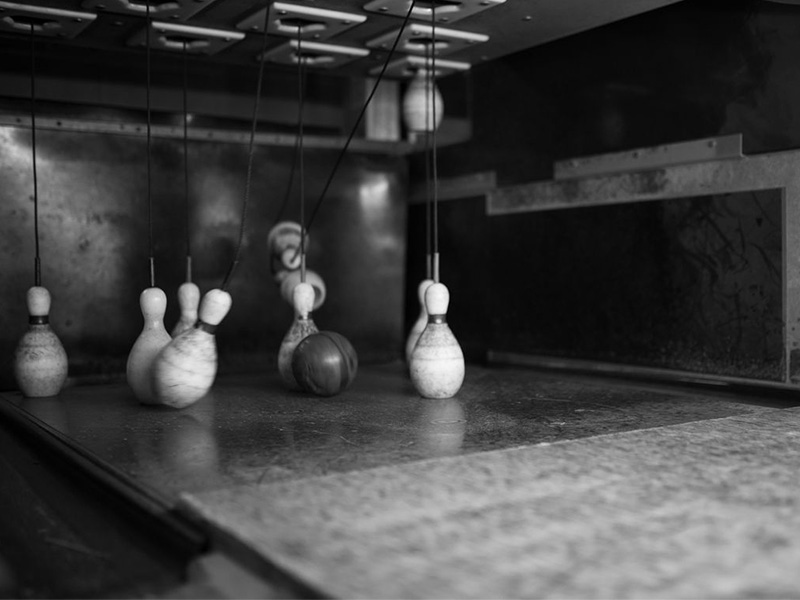
The Origins of Mini Bowling
A Modern Game Inspired by Thousands of Years of Bowling History
Unlike many sports with a clearly documented beginning, Mini Bowling wasn't created by a single inventor or born from one historic event. Instead, it evolved naturally as a compact version of traditional Ten-pin Bowling, designed to deliver a more relaxed, accessible, and family-friendly experience.
Its story stretches back much further than most people imagine.
Ancient Roots: Small Bowling Games in Ancient Egypt
Believe it or not, the idea of miniature bowling may be over 7,000 years old.
Archaeologists have discovered small stone balls and pin-like objects in children's tombs dating back to around 5200 BC in Ancient Egypt. While historians cannot say with complete certainty that these objects were used exactly like modern bowling equipment, many believe they represent one of the earliest forms of bowling-style games ever discovered.
This fascinating discovery suggests that people have been enjoying compact versions of rolling-ball games since the dawn of civilization.
From Traditional Bowling to Duckpin Bowling
Fast forward to the late 19th century, when bowling became one of America's favorite recreational activities.
Around this time, a new variation known as Duckpin Bowling emerged in Baltimore, Maryland. Instead of using full-size bowling balls and pins, Duckpin introduced:
l Smaller bowling balls without finger holes
l Shorter, wider pins
l A more compact playing experience
Despite its smaller equipment, Duckpin quickly earned a reputation for being surprisingly challenging. Knocking down all ten pins became much harder because the pins were shorter and reacted differently after impact.
As one of the earliest successful compact bowling formats, Duckpin Bowling demonstrated that bowling could be adapted for different venues and audiences without losing its excitement.
The Birth of Modern Mini Bowling
Modern Mini Bowling was inspired by this long history of compact bowling games—but with a different goal.
Rather than increasing the challenge, Mini Bowling was developed to make bowling more welcoming, more social, and easier for everyone to enjoy.
By using a 13-meter lane, lightweight equipment, and simplified gameplay, Mini Bowling preserves the fun of traditional bowling while making it ideal for:
l Families with children
l First-time bowlers
l Shopping malls
l Family entertainment centers
l Hotels and resorts
l Social gathering venues
Today, Mini Bowling has become one of the fastest-growing attractions in modern entertainment spaces, combining the heritage of traditional bowling with the convenience and flexibility that today's venues demand.
The Rise of Duckpin Bowling
Duckpin Bowling originated in the United States in the early 1900s and quickly gained popularity along the East Coast.
The game takes its name from its distinctive pins, which are shorter, wider, and resemble ducks standing upright.
Unlike standard bowling, Duckpin uses:
l Smaller bowling balls without finger holes
l Compact lanes
l Shorter pins
l A more challenging scoring experience
Because the pins are lighter but positioned differently, knocking down all ten pins can actually be more difficult than in standard bowling.
Today, Duckpin Bowling has evolved from a regional sport into a growing entertainment concept found in boutique bowling venues, restaurants, breweries, hotels, and social gaming spaces around the world.
Mini Bowling vs. Duckpin Bowling
Although both games use compact equipment, there are several important differences.
|
Feature |
Mini Bowling |
Duckpin Bowling |
|
Lane Length |
13m (42.7ft) |
9m (29.5ft) |
|
Ball Diameter |
120mm (No Finger Holes) |
120mm (No Finger Holes) |
|
Pin Height |
265 mm (10.4") |
230 mm (9.0") |
|
Pin Weight |
735g |
787g |
|
Pin Shape |
Slim mini bowling pin |
Wide duck-shaped pin |
|
Playing Style |
Family entertainment |
Skill-based social bowling |
The most noticeable difference is the lane length.
Mini Bowling uses a 13-meter lane, creating a gameplay rhythm that feels closer to traditional ten-pin bowling while remaining compact enough for modern entertainment venues.
Duckpin Bowling uses a 9-meter lane, resulting in faster games and a greater emphasis on precision.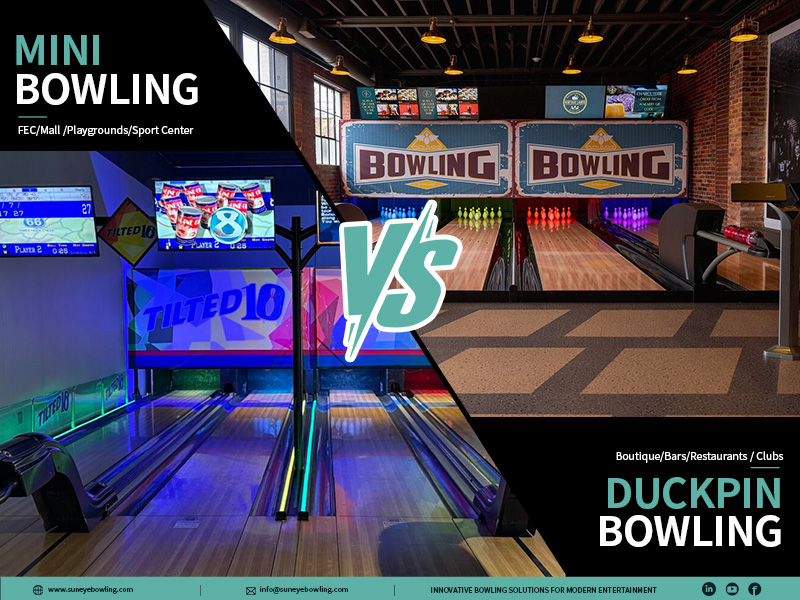
Bowling Pins: Similar Size, Different Design
Both systems use ten pins, but their design is very different.
Mini Bowling Pins
Mini Bowling pins are taller and slimmer, closely resembling scaled-down versions of traditional ten-pin bowling pins.
l Height: 265 mm (10.4 inches)
l Weight: 735 g
This design gives players a familiar visual experience while making the game easier for beginners and families.
Duckpin Pins
Duckpin pins are shorter, wider, and heavier.
l Height: 230 mm (9.0 inches)
l Weight: 787 g
Their compact shape creates different pin action, making strikes less frequent and adding an extra level of challenge for experienced players.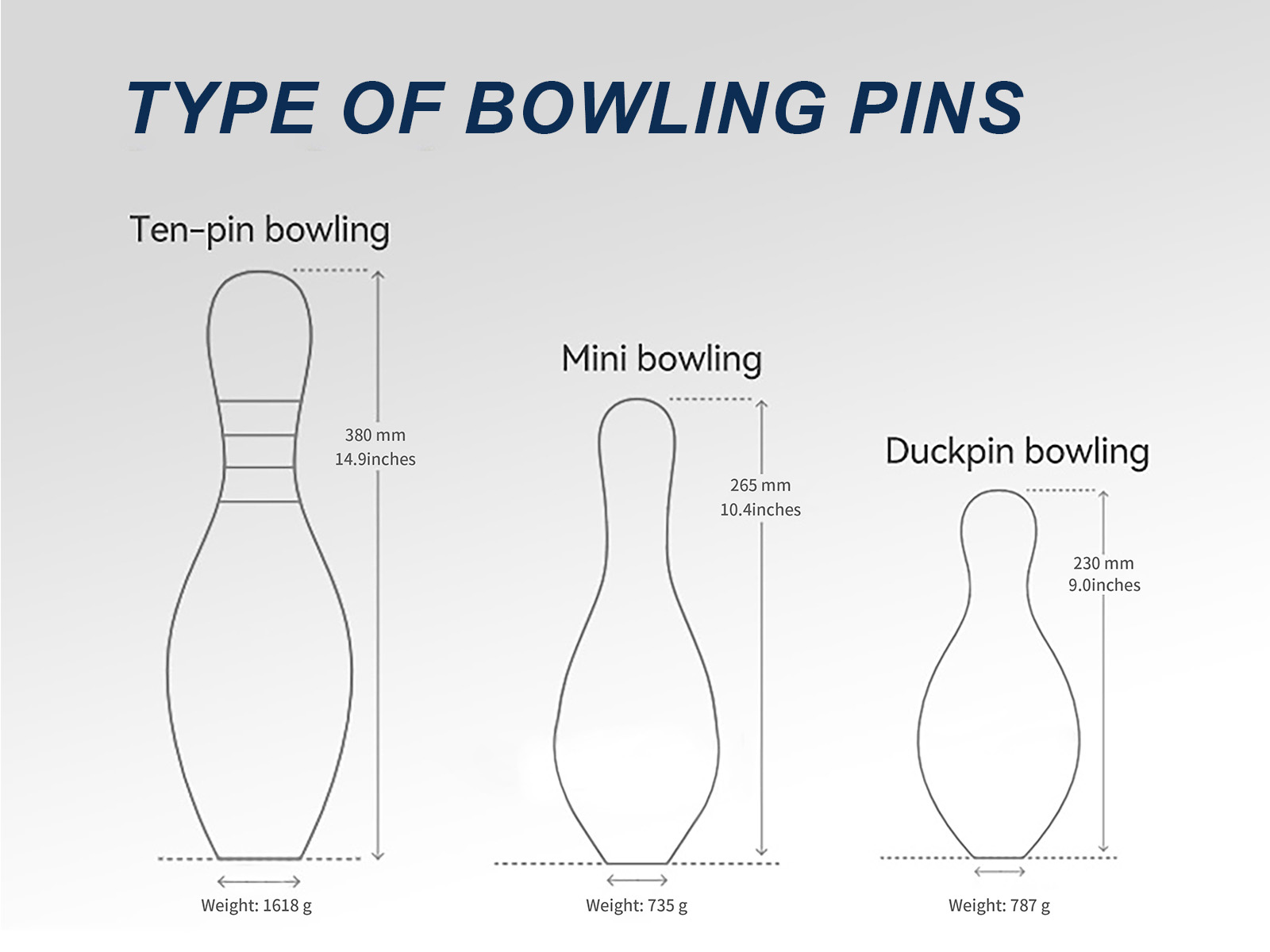
What About the Bowling Balls?
One similarity between the two games is the bowling ball itself.
Both Mini Bowling and Duckpin Bowling typically use a:
l 120 mm diameter bowling ball
l No finger holes
l Easy one-hand grip
l Suitable for players of all ages
The lighter, finger-hole-free design allows children and first-time players to join the game immediately without learning proper bowling techniques.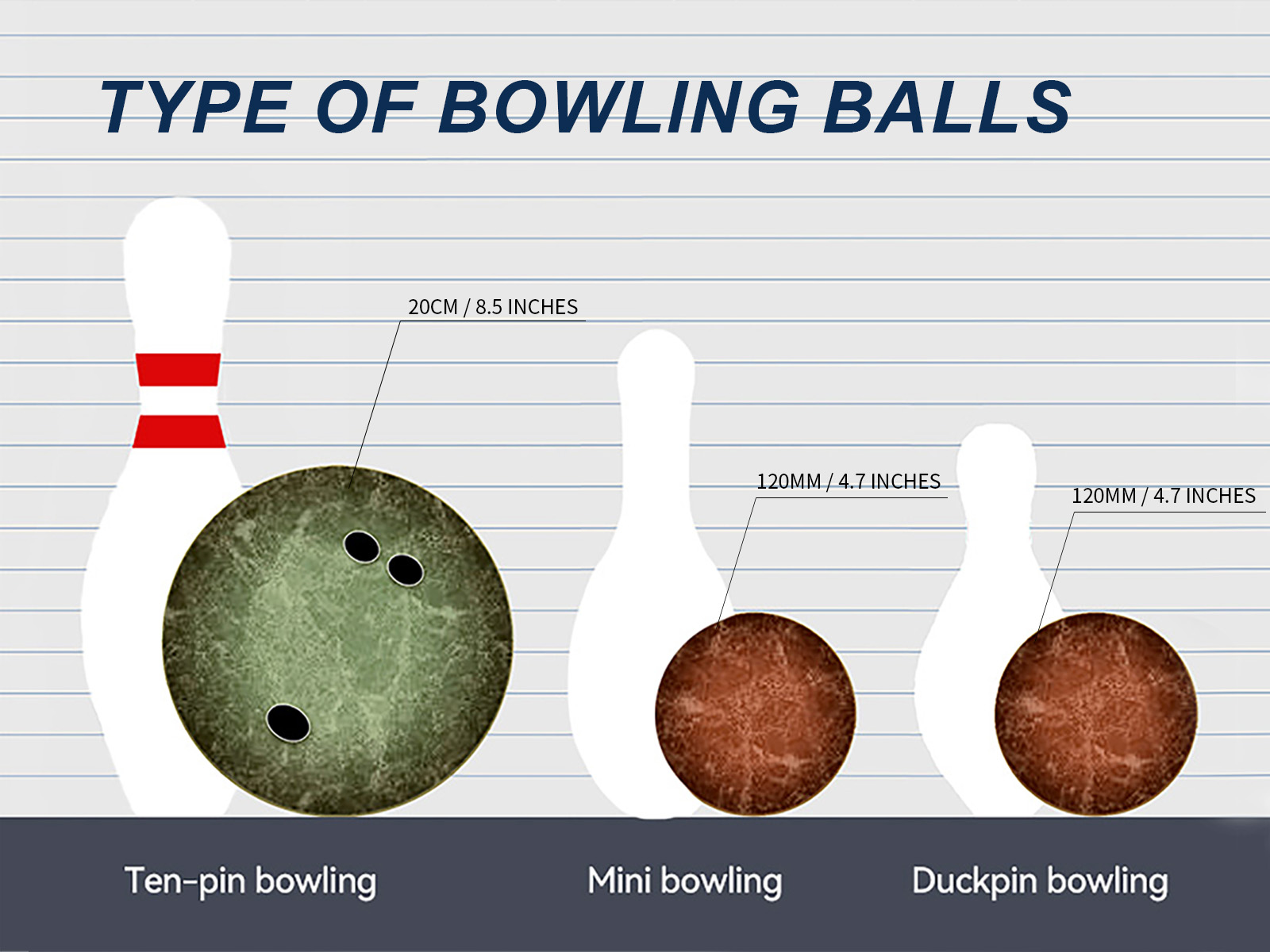
Which One Is Better for Your Venue?
The answer depends on your target customers.
Mini Bowling is ideal for:
l Family Entertainment Centers (FECs)
l Shopping malls
l Children's playgrounds
l Hotels and resorts
l Parent-child activity centers
l Birthday party venues
l Mixed-age entertainment spaces
Mini Bowling focuses on accessibility, family interaction, and repeat play.
Duckpin Bowling is ideal for:
l Boutique bowling venues
l Restaurants
l Bars
l Breweries
l Nightlife venues
l Social clubs
l Young adult entertainment spaces
Duckpin Bowling delivers a more challenging and competitive experience while maintaining a casual social atmosphere.
Which One Should You Choose?
Both Mini Bowling and Duckpin Bowling represent the evolution of bowling for today's entertainment market.
If your goal is to create a family-friendly attraction that appeals to children, parents, and casual visitors, Mini Bowling offers a familiar bowling experience with a compact footprint and broad audience appeal.
If you're designing a venue centered on social entertainment, food, drinks and friendly competition, Duckpin Bowling provides a unique twist on the classic game and stands out as a memorable attraction.
The good news? You don't have to choose based on popularity alone—you should choose based on your customers, your available space, and the experience you want to create.
At SunEye, we provide complete turnkey solutions for both Mini Bowling and Duckpin Bowling, helping entertainment venues around the world build engaging attractions that combine reliable equipment with unforgettable player experiences.